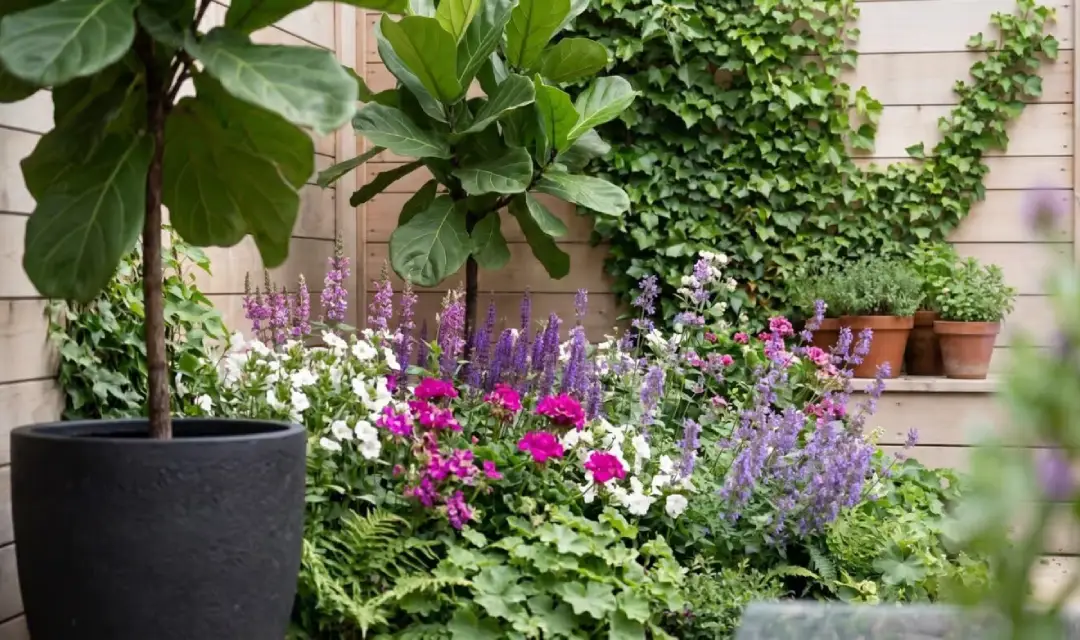


If you find yourself tempted to prune your hydrangeas while gardening this autumn, think twice—and put your garden shears aside. Although it may feel like a natural gardening instinct to clear away summer growth and tidy up the garden for the coming winter, pruning hydrangeas is a task that definitely should not be on your to-do list in October.
As deciduous, flowering shrubs, these popular garden plants have already finished blooming for the year and are now busy storing energy for new growth next spring. Furthermore, there is a risk that heavy pruning at this stage could impair flower production for the coming year.
Experts emphasize that one of the most important rules for caring for hydrangeas is to identify the specific variety and know the correct time for pruning. We explain why you should set your garden shears aside for now—and outline the only two reasons why you might still reach for them in October (such as the Felco F2 model, available at Lowe’s).
Why you shouldn’t prune hydrangeas in October
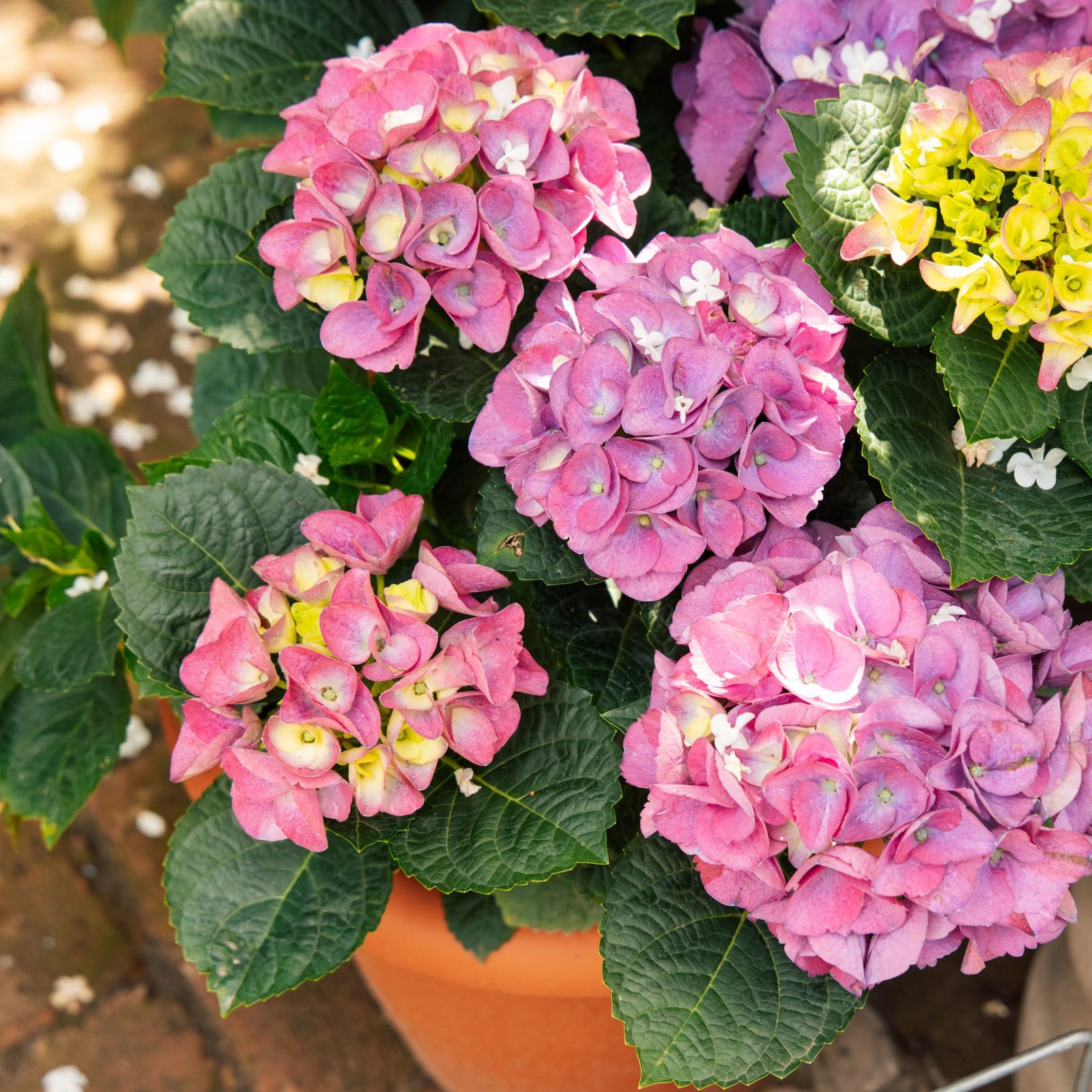
October is a critical time of year for hydrangeas. The blooms have faded, growth has slowed, and the plants may look a bit ragged—but it is important not to prune these flowering shrubs at this stage.
Why? Quite simply, because by removing a branch or stem that looks untidy, you might accidentally cut off the flower buds for next year. While there are a few exceptions—which we will discuss later—the general rule is that it is best to leave hydrangeas untouched in October.
Since plants can generally be categorized into those that bloom on old wood and those that bloom on new wood, it is crucial to correctly identify a plant before reaching for the pruning shears.
"Bigleaf hydrangeas, mountain hydrangeas, oakleaf hydrangeas, and several other species typically form their blossoms on old wood. For instance, the bigleaf hydrangea 'Nikko Blue' and the oakleaf hydrangea 'Gatsby Moon®' both bloom on old wood and should therefore be pruned in late summer," explains plant expert Kelly Funk. The bigleaf hydrangea 'Nikko Blue' is available from Perfect Plants, while the oakleaf hydrangea 'Gatsby Moon®' can be found at Nature Hills.
Another reason to hold off on pruning is frost protection. Any cut encourages the plant to produce new shoots; however, these are still too delicate to survive frost. This can leave the plant susceptible to disease and result in long-term damage. If you are particularly concerned that your hydrangea might be exposed to severe frost, wrap it in a special horticultural fleece—which can be found, for example, at Lowe's.
What about hydrangeas that bloom on "current-season wood"?
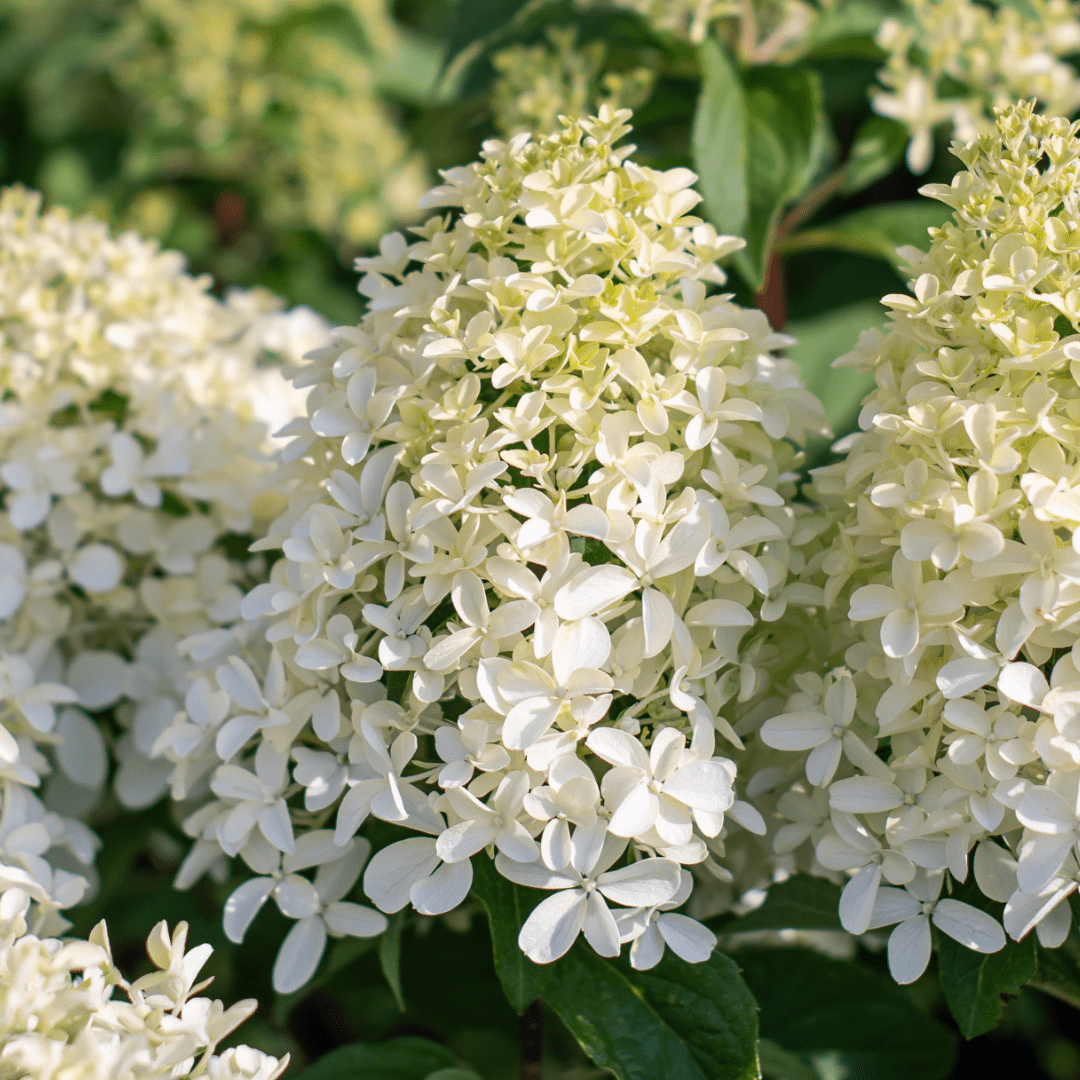
If you are a fan of the lush, globe-shaped blooms of hydrangea varieties like 'Annabelle' and 'Incrediball,' or the striking flower panicles of the panicle hydrangea (*Hydrangea paniculata*), you should know that these plants bloom on "current-season wood"—that is, on stems that have grown during the current season. Although these types of hydrangeas require a different pruning approach than varieties that bloom on "old wood" (growth from the previous year), October is still not the right time for this task.
"Panicle and smooth hydrangeas bloom on current-season wood; therefore, pruning them does not remove the flower buds for the following year—unlike with other species," explains Kelly. "However, that does not necessarily mean they should be pruned as early as October."
Leaving the stems in place until autumn allows the plant to continue storing energy and preparing its root system for winter—a practice that can be particularly important in colder climates or for plants that are already under stress. Learn how to grow smooth hydrangeas (*Hydrangea arborescens*) here.
The rule against pruning in October also applies to modern garden hydrangea hybrids (*Hydrangea macrophylla*). "Reblooming garden hydrangeas, such as 'Endless Summer' or 'Penny Mac,' are an exception, as they bloom on both new and old wood," explains Nikki Bruner. You can find these and other hydrangea varieties at Perfect Plants.
Leave Hydrangeas Unpruned For Wildlife
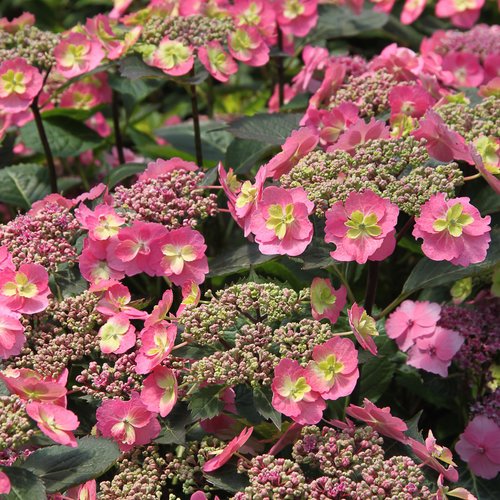
Leaving faded hydrangea flowerheads intact provides more than just visual interest in fall and winter gardens. Providing food and shelter for birds, small mammals and pollinators, these plant qualities are often overlooked and undervalued.
'There can also be wildlife benefits, although these depend on the cultivar,' explains Kelly. 'The flowers of Tuff Stuff TopFun™ mountain hydrangea attract bees, butterflies, and beneficial insects during summer, while its seeds attract songbirds in late fall. Tiny Quick Fire® also has hollow stems that can provide nesting habitat for bees, another reason not to automatically clear every stem from the garden.'
Adding a layer of mulch, such as Hyponex Wood Chips from Walmart, around the base of each hydrangea will not only supress weeds and retain moisture, but increase overwintering options for hibernating insects too.
The Only Reason To Use Pruners This Month
The only reasons to wield your pruners near a hydrangea in October is when deadheading or cutting out dead and diseased growth.
'If gardeners simply dislike the appearance of old flowers, deadheading is different from pruning,' explains Kelly. 'A spent hydrangea flower can be removed as long as you take only the flowerhead.'
If you do decide to remove the faded blooms, display them in this Rose Tinted Glass Vase from Crate & Barrel. for an enchanting seasonal arrangement.
Did you like our blog?
Comments (0)
All comments are reviewed and approved by an admin before appearing publicly.
No comments yet - be the first to share your thoughts.