

As someone who preaches the importance of daily sun protection to anyone who will listen, I often get asked what’s the best sunscreen I’ve ever used. I could list a few of my faves (and when pressed, I do), but I usually relay the answer that dermatologists tell me when I ask them the same question: The best sunscreen is the one you’ll actually use every day.
We are blessed with so many sunscreen options that it’s hard to go wrong with most of them. But how do you choose that perfect formula that will make you remember this very important step in your routine? To figure that out, there are a couple of things you have to consider. If you're an active outdoors person, for example, you might want something that's portable and waterproof. If you have sensitive skin, you might want something with gentle ingredients that won't cause irritation. And on top of all that, you’ll have to understand all the different types of sunscreen available to you.
It can be a lot, but that’s where this handy guide comes in. From chemical to mineral to all the different applications, experts break down every type of sunscreen to help you make wise skin-health (and shopping) decisions. Read below.
Types of Sunscreen
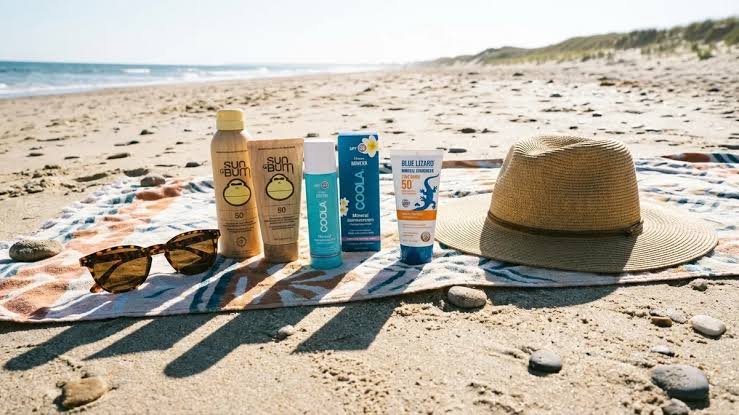
There are two types of sunscreens you can choose from: mineral sunscreens and chemical sunscreens. The difference between the two can be broken down as follows:
Mineral sunscreens
Mineral sunscreens, also known as physical sunscreens, block the sun’s harmful UV rays from penetrating the skin. As board-certified dermatologist Marisa Garshick, MD, explains, mineral sunscreens use zinc oxide and titanium dioxide to scatter and reflect the UV rays when it bounces off the skin to protect it from damage.
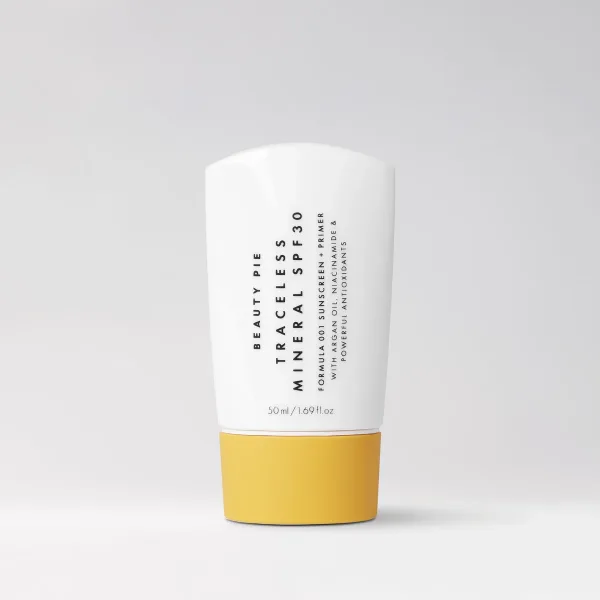
Traceless Mineral Sunscreen SPF 30
EltaMD
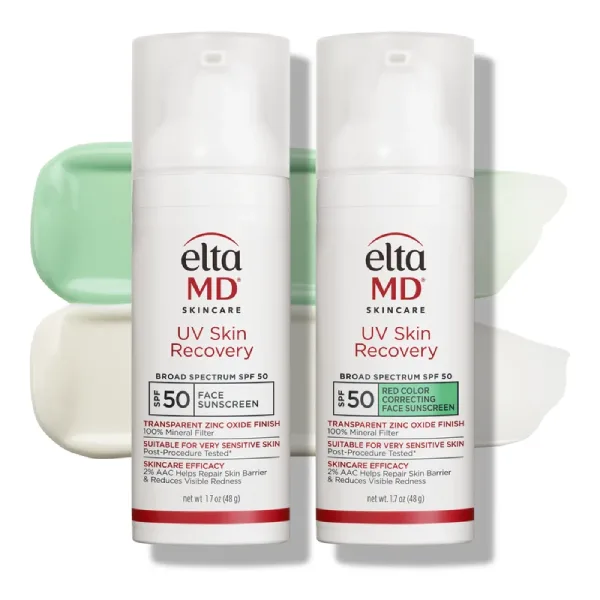
UV Skin Recovery 100% Mineral Face Sunscreen SPF 50
Good Weather Skin
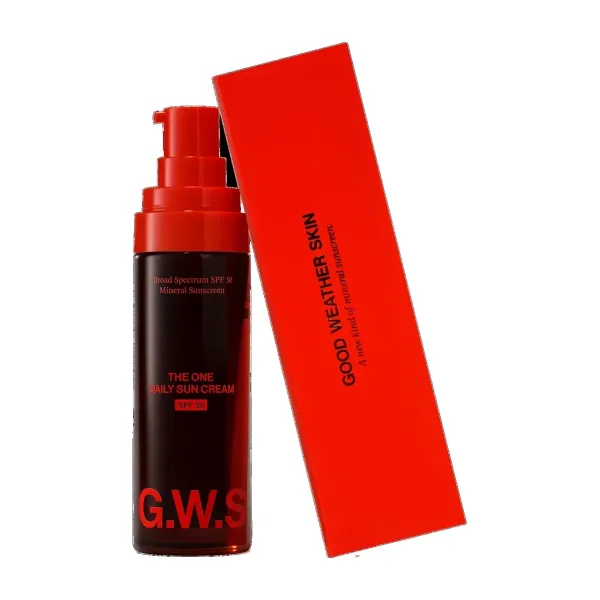
The One Daily Sun Cream SPF 30 Mineral Sunscreen
Chemical sunscreens
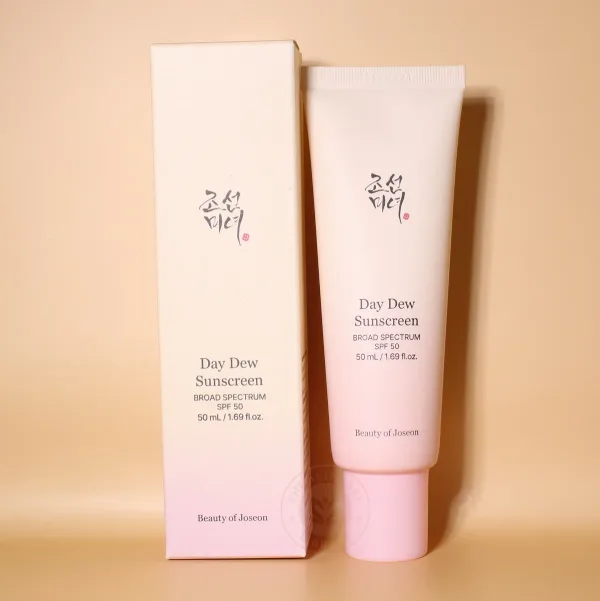
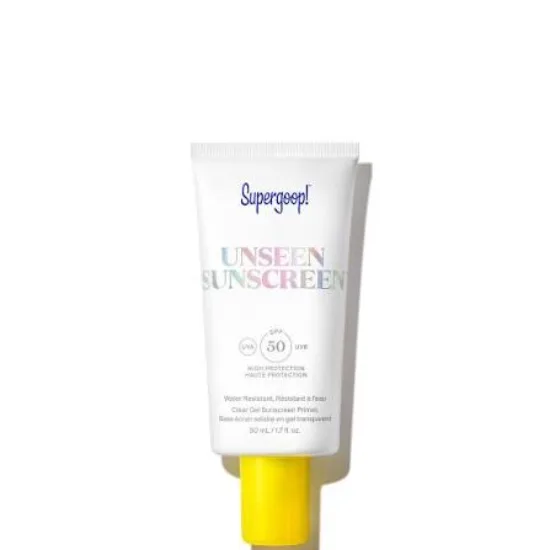
According to board-certified dermatologist Hadley King, MD, chemical sunscreens absorb the sun’s UV rays and create a chemical reaction to turn the UV rays into heat that will be released from the skin. They’re usually made of chemical ingredients such as oxybenzone, octinoxate, avobenzone, octisalate, octocrylene, and homosalate, and Garshick says these formulations are generally easier to rub in and won’t leave a white cast. But because they are made of various chemical filters, she does warn that some people may experience irritation or sensitivity to these types of formulas. Some gentle chemical sunscreens to try include Beauty of Joseon’s Day Dew Sunscreen and the Supergoop! Unseen Sunscreen SPF 50 (and they add a dewy glow for a boost of radiance).
And as of 2026, the FDA allows for chemical sunscreens to include a new ingredient: bemotrizinol (BEMT). As Krupa Koestline, a cosmetic chemist and founder of KKT Innovation Labs, once explained to Vogue, BEMT is a filter that absorbs both UVB and UVA rays. As opposed to other sunscreen formulations that combine different chemical filters to provide sun protection at a wider range on the UV spectrum, BEMT gives you all of that in one single filter and will protect you from the UVB wavelengths that cause skin cancer and UVA radiation that causes wrinkles, hyperpigmentation, and other signs of skin aging. It's been used all over the world for decades, but now a few brands in the US are slowly launching formulas with it. Try something like Ultraviolette’s Unblock Screen SPF 50 and the La Roche-Posay Anthelios UV Defense SPF to give the new chemical filter a try.
Beauty of Joseon
Day Dew Sunscreen
Supergoop!
Unseen Sunscreen SPF 50
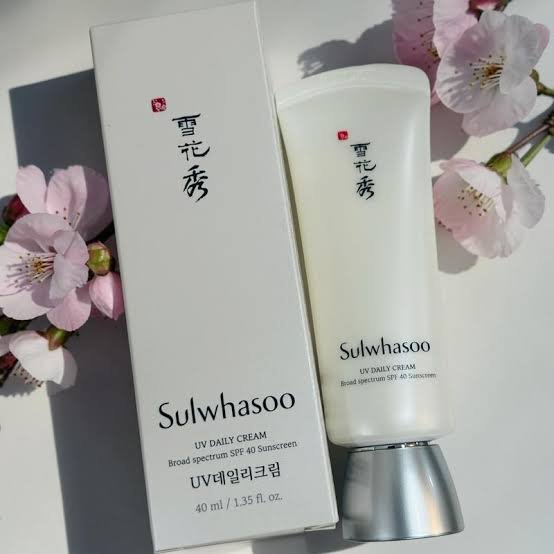
Sulwhasoo
UV Daily Cream
Spray sunscreens
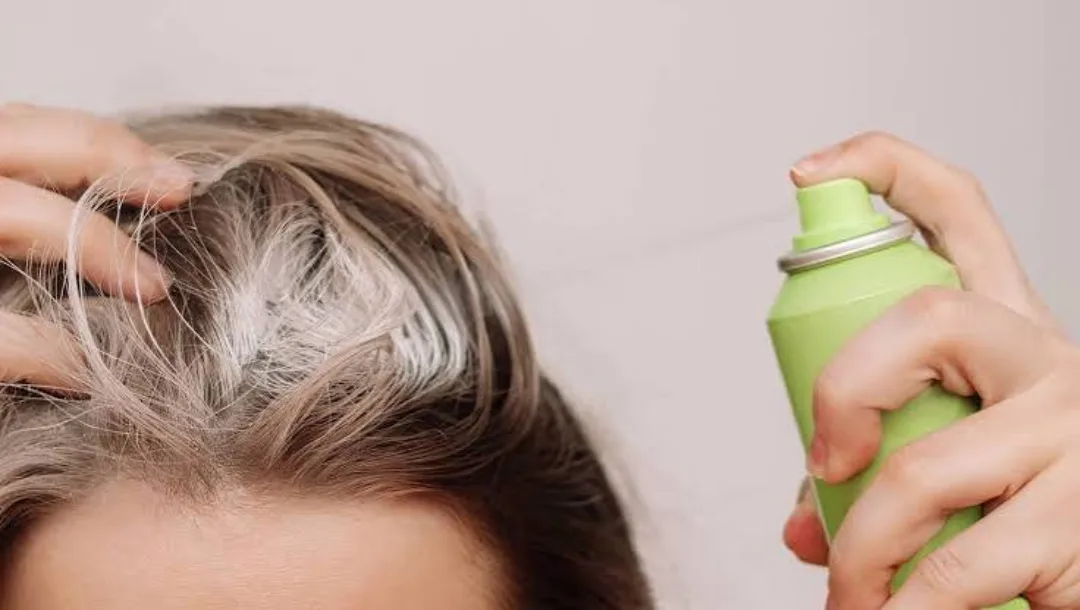
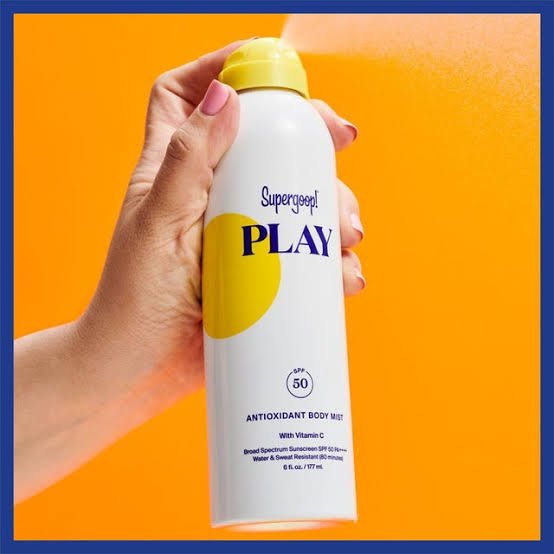
Spray sunscreens are made of the same ingredients you’d find in lotions. The only thing that’s really different is the application. Aptly named, you are spraying on sunscreen rather than just lathering it on, which King says can be most convenient for body application and hard-to-reach areas. She recommends something like the Supergoop! PLAY Antioxidant Body Mist SPF 50, which she says is a good option for people who want something lightweight and easy to use on the body.
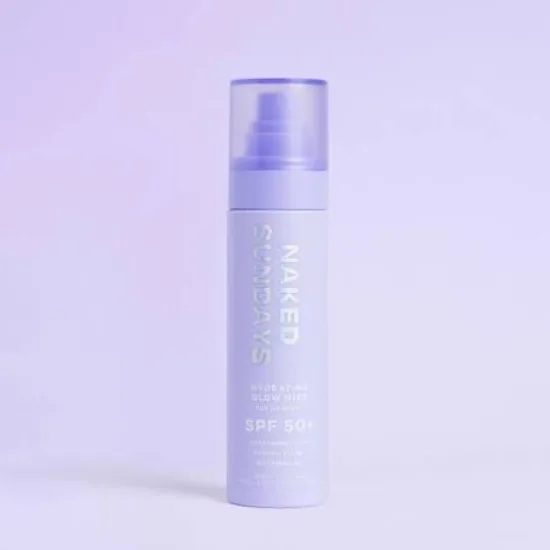
To make sure you’re getting enough sunscreen to protect yourself, she recommends holding the nozzle close to your skin and spraying generously until your skin visibly glistens. Then you'll rub it in evenly. She adds that you’ll need one ounce to cover your entire body, so those typical six-ounce spray bottles will contain approximately six full-body applications. From there, follow the same basic sunscreen rules, such as reapply every two hours and immediately after swimming or any activity where you’ll be sweating a lot. Something like the Vacation Classic Spray SPF 50 blends into the skin well and is easy to spray all around your body (you also can't beat the lovely scent), while the Caudalie Vinosun High Protection Glow Oil is extra-moisturizing and gives your body a boost in radiance. And if you’re looking for a spray for the face, try Naked Sundays Hydrating Glow Mist Setting Spray SPF50; it's lightweight and gives you a glowing complexion.
Naked Sundays
Hydrating Glow Mist Setting Spray SPF50
Supergoop!
PLAY Antioxidant Body Mist SPF 50
Everything You Need to Know
What does SPF mean?
We’re always told to look for sunscreen with SPF, but what does that actually mean? SPF stands for sun protection factor and as King explains it, it measures how much a sunscreen will shield your skin from ultraviolet B (UVB) rays, which can cause sunburn.
The number of SPF ranges, such as SPF 30, SPF 50, and SPF 100, but the amount of protection provided is marginal once you go past SPF 30. SPF 30, for example, will block 96.7% of UVB rays, while SPF 50 blocks 98% and SPF 100 blocks 99%. She says that when sunscreen is applied adequately (read every two hours and a shot glass’s worth for the entire body), it doesn’t really matter which SPF you opt for. Most dermatologists will recommend using at least an SPF 30 for best protection, and if you want to go higher, you can. “No sunscreen can block 100% of the sun’s UVB rays,” she says. “[Anything] over SPF 30, there is only a small improvement in percent.”
“Higher SPF isn’t necessarily better,” agrees board-certified dermatologist David Kim, MD. “The key is to find one that you like that has SPF 30 or higher, and to actually use it every day.”
SPF can also measure the time it takes for your skin to burn when using sunscreen compared to the amount of time it will turn red without protection. "The basic calculation is [that] if it takes one minute for your unprotected skin to start turning red in the sun, using an SPF 15 sunscreen should prevent reddening 15 times longer. So the number of minutes it takes for your unprotected skin to turn red multiplied by the SPF gives you the theoretical number of minutes that your protected skin will [have] before it turns red," King explains.
But it’s important to note that SPF only protects against UVB rays and not ultraviolet A (UVA) rays, which cause the skin to show signs of antiaging and may also result in cancer. That is why Garshick recommends also looking for a sunscreen that has both SPF and broad-spectrum coverage so that you have protection against UVB and UVA rays.
How do you pick the right sunscreen?
Kim says there are few things you’ll want to ask yourself before settling on that one perfect sunscreen for you. He says to first decide whether you want mineral versus chemical UV filters. Garshick recommends mineral sunscreens for those with sensitive skin. King also loves mineral sunscreens in general, as they block a wide range of UV wavelengths and are photostable. “There are fewer concerns about their potential adverse effects both to the body and to the environment,” she adds. "And they have come a long way from their chalky, white, hard-to-spread predecessors. There are many brands making physical sunscreens that are easy to apply and look great."
Kim then says you’ll want to decide what SPF you want. Again, as long as it’s SPF 30 and you’re reapplying every two hours, any SPF will provide adequate protection. Garshick adds that you may also want to consider a sunscreen that provides broad-spectrum protection against both UVB and UVA rays. If you're someone who tends to sweat a lot or doing some sort of physical activity under the sun, she adds that you'll want to consider looking for a sunscreen that is water-resistant.
Finally, Kim says you may want to consider between a tinted formulation or a non-tinted. His own sunscreen, the Lightsaver Tinted Activated Mineral Sunscreen SPF 33, contains nourishing ingredients such as squalane and niacinamide as well as zinc oxide to protect the skin from harmful UV rays. But he says that tinted sunscreens often have iron oxide, which helps prevent hyperpigmentation and can hide dark spots and even out uneven texture.
But again, this is all based on personal preference. All the experts agree that the best sunscreen is whatever formula will get you to wear it every day nd reapply appropriately. So choose wisely. Your skin—and your health—will thank you in the long run for it
How We Tested
When we test and review a product, we take a holistic approach to deliver well-rounded product recommendations. First, we lean on Vogue’s vast network of experts—from board-certified dermatologists to celebrity aestheticians—to gain professional insight on the industry’s standout products, ones specialists would actually use on and recommend to their clients. We pair their expertise with our editorial best practices to curate the thoughtful edits you read on our site.
As it relates to sunscreens, we selected the best based on the following characteristics: ingredients, texture, finish, SPF level, and the skin-care concerns they address. To do this, we paired our personal tests of each formula with expert guidance and reviewer insights to determine which we would recommend to you.
Did you like our blog?
Comments (0)
All comments are reviewed and approved by an admin before appearing publicly.
No comments yet - be the first to share your thoughts.