
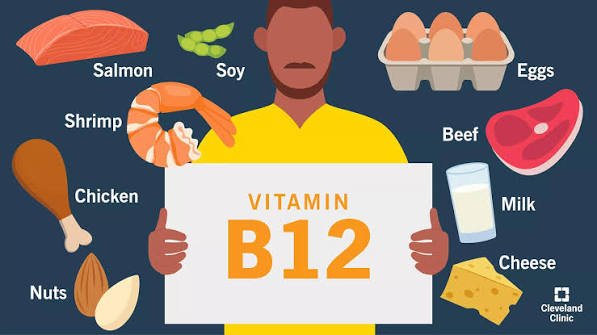
One cannot have a well-balanced meal without incorporating vitamin-B12 foods into the mix. The water-soluble vitamin, explains Samantha Dieras, RN, DCN, director of ambulatory nutrition services at Mount Sinai Hospital, plays a vital role in nerve function, blood cell formation, metabolism, DNA production, and many other functions that our bodies need to stay healthy.
Vitamin B12 foods are easy to add to any routine. Real Nutrition founder Amy Shapiro, RD, says that the nutrient is fairly heat stable to other water-soluble vitamins like vitamin C, so you won't lose that much nutritional value when cooking any of these foods. Whether you’re solely following a plant-based diet or welcome any animal and dairy product into your meals, you can find vitamin B12 foods pretty much in any food group. And as an added bonus, these foods also come with other essential nutrients (think omega-3 fatty acids, protein, iron, and more) that our bodies need. So if you’re looking to see if you’re already on the right track or want to add some of the best natural dietary sources of vitamin B12 into your life, add these.

Clams
If you love shellfish, registered dietitian and nutritionist Lauren Manaker says that clams make for a great source of vitamin B12. According to the National Institutes of Health (NIH), three ounces of clams contain about 17 micrograms of the nutrient. They also contain iron, which she says makes it a great combo with B12 for energy and red blood cell production.
Beef, chicken, and other animal livers
Manaker calls liver a nutrient powerhouse as it contains B12, iron, and vitamin A. According to the NIH, one serving of beef or chicken liver contains 70.7 micrograms of vitamin B12, which is almost 3,000% daily value of the nutrient.
Salmon
Salmon is a favorite food among experts and our favorite celebrities. Manaker says it’s not only high in vitamin B12, with 2.6 micrograms of the nutrient, but it is also a main source of omega-3 fatty acids. This combo especially helps support brain function and heart health.
Trout
Manaker lists trout as another fish source that is rich in B12 and omega-3s. According to the US Department of Agriculture (USDA), one fillet of trout has 4.6 micrograms of the nutrient.
Tuna
Tuna is known as a great source of protein, but Manaker says you can also look to the fish for your B12 needs. The NIH says that three ounces of tuna contains 2.5 micrograms of the nutrient.
Eggs
Another great source of protein and B12, Manaker says eggs are one of the easiest foods to add to any meal. The NIH says one large egg contains 0.5 micrograms of the nutrient.
Dairy milk
Whole milk (please don’t drink raw milk) is a nutrient powerhouse. It's most known as a great source of calcium to build and maintain strong bones and teeth. But it also provides protein, vitamin D, and B12 to hydrate, repair muscle, and boost our energy and metabolism. The NIH says that one cup of 2% milk contains 1.3 micrograms of vitamin B12.
Yogurt
Another dairy product you can turn to for vitamin B12 is yogurt. The NIH says that 6 ounces of plain, fat-free yogurt contains 1 microgram of the nutrient.
Sardines
Tinned fish is having a moment, and sardines especially make for a great source of vitamin B12. “Tiny but mighty, they’re rich in B12, calcium, and omega-3s,” says Manaker. According to the USDA, one tin of sardines contains 8.22 micrograms of the nutrient.
Lean beef
Lean beef provides you with many different nutrients, such as protein and iron. Manaker also lists it as a good source of vitamin B12 to give you enery and boost red blood cell health. The NIH says that three ounces of lean beef contains 2.4 micrograms of the nutrient.
Nutritional Yeast
Known for its cheeselike flavor, nutritional yeast is a vegan seasoning that is packed with nutrients. It's especially rich in vitamin B12, according to the NIH. A quarter cup can contain anywhere from 8.3 to 24 micrograms of the nutrient.
Turkey, Chicken, and Other Poultry
Shapiro says that poultry like chicken and turkey is a good source of the nutrient. For each one serving, she says you can find 0.3 to 0.5 micrograms of the nutrient. And whether you grill or sauté your chicken or poultry of choice, she says it will cause only small B12 losses.
Nori
Nori, the dried edible seaweed found in all of our favorite Japanese dishes, actually contains a small but variable amount of 54 to 58 micrograms of the nutrient. Shapiro adds that it is also packed with other nutrients such as fiber and vitamin K.
What does vitamin B12 do for the body?
As mentioned previously, the benefits of vitamin B12 are many. Manaker says that it primarily helps convert the food you eat into energy for your body. But it also supports your nervous system and produces red blood cells while also reducing your risk for heart disease. And if you’re feeling the need for an emotional boost, she says the nutrient can play a role in regulating your emotions and producing serotonin.
How much vitamin B12 should I take daily?
Dieras says the recommended amount of vitamin B12 one should aim for can range from 2.4 to 2.8 micrograms per day. For those who are pregnant, Manaker says it’s best to stick to 2.6 micrograms per day, while those who are breastfeeding may increase it a bit to 2.8.
Should I take vitamin B12 supplements?
Manaker says that eating whole foods in a well-balanced diet is the ideal way to get your daily vitamin B12 intake. But if you’re not getting enough from food or if you have absorption issues (a.k.a. pernicious anemia), you might need to incorporate dietary supplements into your routine. She says you can turn to supplements in a pill form or as a shot if prescribed.
Are there downsides to vitamin B12?
Both Dieras and Manaker say that vitamin B12 is generally safe and that there are minimal downsides. “B12 supplements are generally safe because your body flushes what it doesn’t need,” Manaker says. In high doses, it may cause headaches or nausea. Dieras says it might also interact with certain medications such as gastric acid inhibitors and metformin. As with any new supplement you’re interested in taking, it’s always best to consult with a doctor to make sure it’s right for you.
How can you tell if you’re vitamin B12 deficient?
Shapiro says that deficiency is more common in older adults or those who are vegan, vegetarian, or have absorption issues. Common symptoms of a deficiency in vitamin B12 in adults, she says, include fatigue and weakness, slightly yellow-tinged skin, tingling or numbness in your hands and feet, feeling unbalanced, brain fog, feeling irritable, a swollen tongue, rapid heartbeat, and shortness of breath. She says that these symptoms overlap with other conditions, so it’s best to confirm a deficiency with your doctor and a blood test.
Did you like our blog?
Comments (0)
All comments are reviewed and approved by an admin before appearing publicly.
No comments yet - be the first to share your thoughts.