
I’ve been blessed with natural thick hair (thank you endlessly to my parents for passing along these genetics), but life happens and the effects of constantly being stressed, excessive hot tool use, and tight slicked-back ponytails are starting to manifest in a thinning hairline and some density loss. And I, like most people, have been wondering if all the shampoos that promise to help hair grow back are worth a spot in my hair routine.
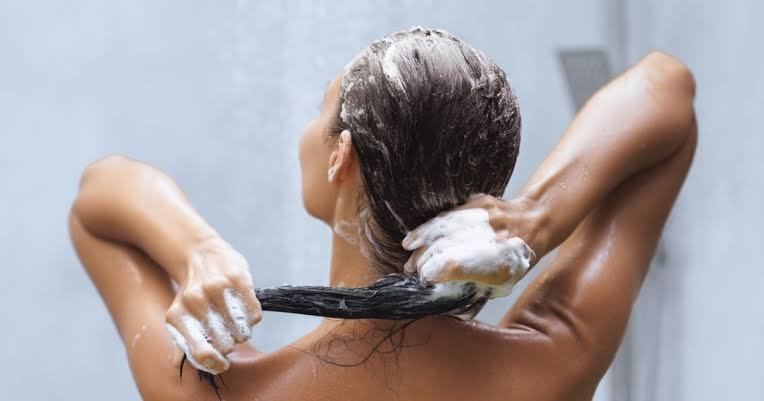
The answer to that? It depends. If you’re wondering if these shampoos directly have anything to do with hair growth, then the answer, according to Y. Claire Chang, MD, board-certified dermatologist, is no. As Dr. Chang goes on to explain, hair growth occurs within the hair follicle, which is beneath the surface of the scalp. Since you are rinsing off shampoo, it only stays on your scalp and hair for a few minutes at best, which limits the amount of time that active ingredients have to interact with hair. “This is one of the biggest misconceptions in hair care,” she says. “Most shampoos marketed for hair growth may not actually stimulate hair growth.”
But this doesn’t mean these shampoos are completely ineffective. They do help in the grand scheme of your hair growth journey. You just have to think of hair growth shampoos as one piece in a very big puzzle for thicker hair. “Growth-promoting shampoos can play a meaningful part of a hair growth or regrowth journey,” says Kandice Bailey, MD, board-certified dermatologist and Skin of Color Society member. “However, these types of shampoos are a single asset within our arsenal, a single component of a larger plan.”
Dr. Chang agrees and goes on to explain that what these shampoos actually do is support scalp health, remove excess oil and product buildup, reduce inflammation, and strengthen hair to minimize breakage. “By reducing breakage, hair may retain more length and appear thicker and healthier,” she says.
So if you're interested in just keeping your scalp as healthy as possible so that hair has the best environment to thrive in, we say to consider these seven shampoos.
Best Full System: Nioxin System Kits
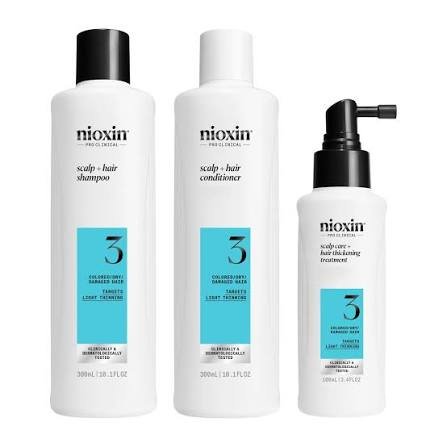
- Why We Love It: As New York City-based board-certified dermatologist Hadley King, MD, describes it, this is a scalp-focused cleansing system that comes with a shampoo, conditioner, and treatment to help hair look fuller and feel healthier. Inside, you’ll find key ingredients like salicylic acid, which Dr. King says helps remove excess sebum, dead skin cells and debris on the scalp, as well as peppermint oil and niacinamide to nourish hair. It also has panthenol, biotin, and caffeine to reduce breakage and boost the scalp’s circulation for increased hair growth. Although it may be drying to some (she says to be careful of the sulfates included), there’s nothing like a set to cut out all the guesswork, and this system makes your hair routine super easy.
- Key Ingredients: Salicylic acid, peppermint oil, niacinamide, panthenol, biotin, and caffeine
- Size: Shampoo (5.07 fl oz), Conditioner (5.07 fl oz), Treatment (1.7 fl oz)
- Safe for color-treated hair: Depends on which system you use
- Best For: All hair types
- Cruelty-Free: No
- Sulfate-Free: No
Best for Damaged Hair: SheaMoisture Strengthen and Restore Shampoo
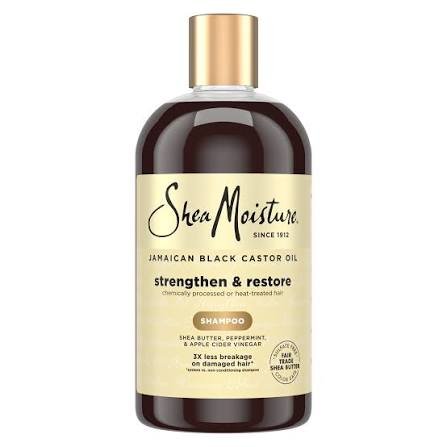
- Why We Love It: “This shampoo can help to strengthen and support hair growth,” says Dr. Garshick. “It’s especially good for those who regularly color, straighten, perm, or heat style their hair.” It contains nourishing ingredients like shea butter, castor oil, and rice protein that will give both your hair and scalp needed moisture and rebuild broken strands. She adds that castor oil has antifungal properties for extra nourishment. It's also a clarifying shampoo that will give your hair a deep cleanse and get rid of buildup.
- Key Ingredients: Shea butter, castor oil, and rice protein
- Size: 13 fl oz.
- Safe for color-treated hair: Yes
- Best For: Color-treated hair, chemically-processed hair, all hair types
- Cruelty-Free: Yes
- Sulfate-Free: Yes
Best for Hot Tool Damage: Vegamour GRO Revitalizing Shampoo
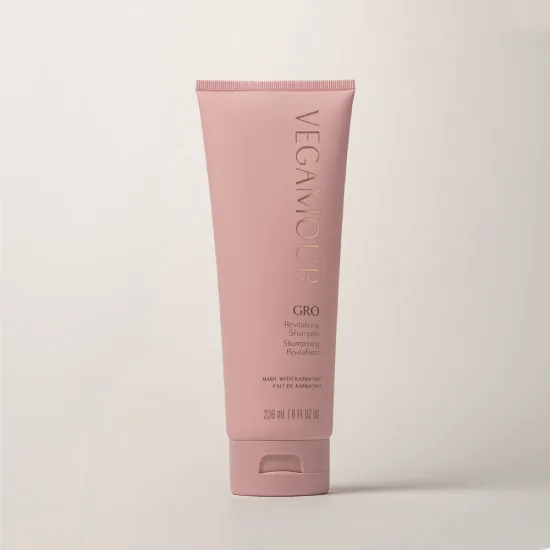
- Why We Love It: Excessive hot tool use can wreak havoc on our hair. And worst case scenario, lead to thinning. So for the curling iron enthusiast, this is the shampoo for you.
“It helps maintain a clean, nourished scalp surface, which allows emerging hair strands to grow in stronger and [make them] less prone to breakage,” says Morgan Rabach, MD, board-certified dermatologist and co-founder of LM Medical NYC.
It contains peptides and caffeine to stimulate blood flow on the scalp and support the skin barrier, and biotin to strengthen hair. But what really sets it apart is its proprietary keratin alternative called Karmatin, which adds hydration, strength, and shine without heavy silicones weighing hair down. Dr. King adds that it can also improve hair conditioning and improve your hair’s appearance overall.
- Key Ingredients: Peptides, caffeine, biotin, and karmatin
- Size: 8 oz.
- Safe for color-treated hair: Yes
- Best For: Damaged Hair
- Cruelty-Free: Yes
- Sulfate-Free: Yes
Best for Thinning Hair: Nutrafol Root Purifier Shampoo
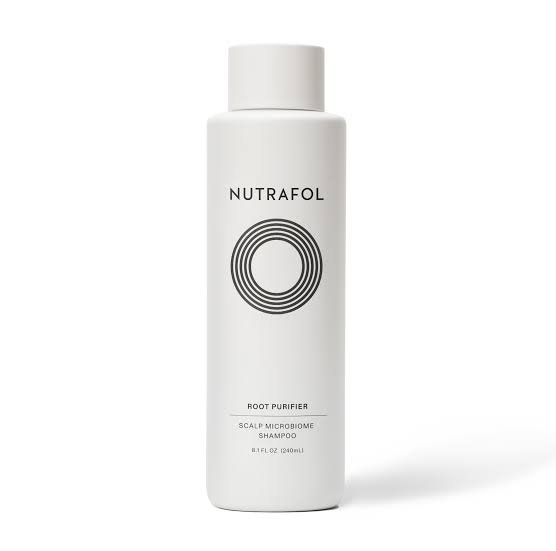
- Why We Love It: How does Nutrafol’s shampoo compare to its storied hair-growth pills? Pretty good. “It works by balancing the scalp’s microbiome and gently exfoliating excess oil and product without stripping essential moisture,” says Dr. Rabach. “A balanced, hydrated scalp prevents follicle irritation and supports stronger, healthier hair.” It's made with prebiotics, vegan protein, and antioxidant-rich Australian wild berry extract to strengthen the scalp barrier and promote healthy hair growth. It's also made with biosurfactants, which gives you a thorough cleanse and a rich lather without stripping your hair of its natural oils. The end result is a clean scalp and added volume, which is all we ever ask of our shampoos.
- Key Ingredients: Prebiotics, biosurfactant, Australian wild berry extract, and vegan protein
- Size: 8.1 fl oz.
- Safe for color-treated hair: Yes
- Best For: Thinning hair
- Cruelty-Free: Yes
- Sulfate-Free: Yes
Best for Anti-Inflammatory: Nécessaire Rosemary Shampoo
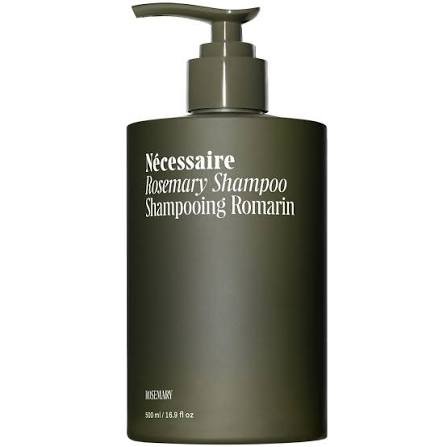
- Why We Love It: Of all the oils that are claimed to help with hair growth, rosemary oil is the most promising; It has anti-inflammatory and antioxidant properties to help create the ideal environment for hair to thrive in, and small studies even show that it can be as effective as minoxidil. This shampoo is centered around rosemary oil—mixes in plant proteins and ceramides to nourish the scalp and strands and promote healthy hair growth, which Dr. Garshick says it makes it a great option for anyone looking to keep their scalp healthy and strong. Plus it comes with a lovely rosemary scent that’s super refreshing.
- Key Ingredients: Pure rosemary oil, plant proteins, and ceramides
- Size: 16.9 fl oz.
- Safe for color-treated hair: Yes
- Best For: Damage and dry hair
- Cruelty-Free: Yes
- Sulfate-Free: Yes
Best for Volume: Oribe Serene Scalp Densifying Shampoo
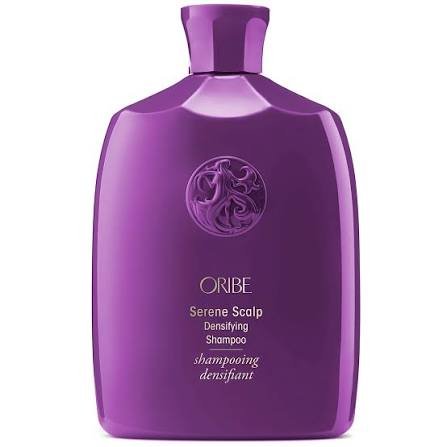
- Why We Love It: “This shampoo is a great option for those with thinning hair who want a gentle cleanse with added scalp support,” says Marisa Garshick, MD, board-certified dermatologist at MDCS Dermatology. It uses a special complex that combines biomimetic peptides and red clover extract to strengthen the scalp's skin barrier, and pea sprout extract, which is rich in phytonutrients to help increase hair density and help the hair look fuller. It also has a compound called Redensyl to help reduce shedding (thank the beauty gods) and keep hair healthy overall. Plus, it works wonders in giving your hair a boost in volume, which is always welcomed.
- Key Ingredients: Biomimetic peptides, red clover extract, pea sprout extract, and Redensyl
- Size: 8.5 oz.
- Safe for color-treated hair: Yes
- Best For: Thinning hair and shedding
- Cruelty-Free: Yes
- Sulfate-Free: Yes
Everything You Need to Know
What ingredients should you look for in hair growth shampoos?
“I would look for ingredients that support scalp health, reduce inflammation when present, and improve hair strength,” says Dr. Chang. “I would also prioritize shampoos with gentle cleansing agents and conditioning ingredients to avoid irritating the scalp or damaging the hair shaft.”
Some ingredients to look out for include:
- Ketoconazole
- Zinc Pyrithione
- Selenium sulfides
- Caffeine
- Niacinamide
- Panthenol
- Biotin
- peptides
- Salicylic acid
Ketoconazole, zinc pyrithione, and selenium sulfide are known for their antifungal properties to control Malassezia yeast overgrowth and inflammation, per Dr. Bailey, and help create a healthy environment for hair to grow. She adds that ingredients like caffeine may help with hair growth by increasing blood circulation to the scalp, which will increase the delivery of micronutrients to your hair follicles.
Dr. Chang adds that ingredients like salicylic acid can help get rid of buildup, while ingredients like niacinamide will support the skin barrier. She also recommends ingredients like panthenol, biotin, and peptides can help strengthen the hair shaft and reduce the risk of breakage.
Are there any downsides to using a hair growth shampoo?
Hair growth shampoos are generally safe, but there are a few things to consider. Dr. Chang says that some formulations may cause scalp irritation, dryness, allergic contact dermatitis, or buildup. Those with sensitive scalps should especially be careful as it might cause more irritation, so she recommends prioritizing gentle, fragrance-free formulations. And if you’re experiencing persistent irritation, burning, or worsening flaking, you should stop using the shampoo and seek medical advice.
But the biggest downside, she says, is the unrealistic expectations. “Patients may spend a lot of money on products marketed for hair growth when they may potentially benefit more from medical treatment for an underlying form of hair loss,” she says. So remember that shampoos for hair growth may help, but they’re not the sole solution you should turn to.
What actually works for hair growth?
Dr. Chang says that treatments such as topical minoxidil and PRP have much stronger clinical evidence when it comes to actual hair growth. But the most important part is trying to identify the underlying cause of your hair loss to figure out the appropriate treatment. “Because androgenetic alopecia, telogen effluvium, alopecia areata, and nutritional deficiencies all require different approaches,” she says.
When should someone see a doctor for hair loss?
Dr. Chang says that you shouldn't be waiting several months to see whether your hair growth shampoo is working. Because hair loss can have many different causes (genetics, hormonal changes, postpartum shedding, stress, nutritional deficiencies, thyroid disorders, autoimmune conditions, certain medications, etc.), it's always best to see a doctor to figure out the cause and come up with the right treatment.
She recommends seeing a doctor if you notice the following:
- Persistently increased shedding for several weeks or months
- A widening hair part
- A receding hairline
- Thinning around the temples
- Sudden or patchy hair loss
- Scalp itching, burning, redness, pain, or significant scaling
- Hair loss with eyebrow or lash thinning
How We Tested
When we test and review a product, we take a holistic approach to deliver well-rounded product recommendations. First, we lean on Vogue’s vast network of experts—from board-certified dermatologists to celebrity hairstylists—to gain professional acumen on the industry’s standout products, ones these specialists would actually use on their clients. We pair their expertise with our editorial best practices to curate the thoughtful edits you read on our site.
As it relates to shampoos for hair growth, we selected the best based on the following characteristics: ingredients, lather, finish, and the hair-care concerns they address. To do this, we paired our own personal tests of each formula with expert guidance and reviewer insights to determine which we would recommend to you.
Did you like our blog?
Comments (0)
All comments are reviewed and approved by an admin before appearing publicly.
No comments yet - be the first to share your thoughts.