
Siemens and NVIDIA have launched AI-enhanced production planning at a US$560m “living lab” in Erlangen, an intended blueprint for end-to-end autonomy
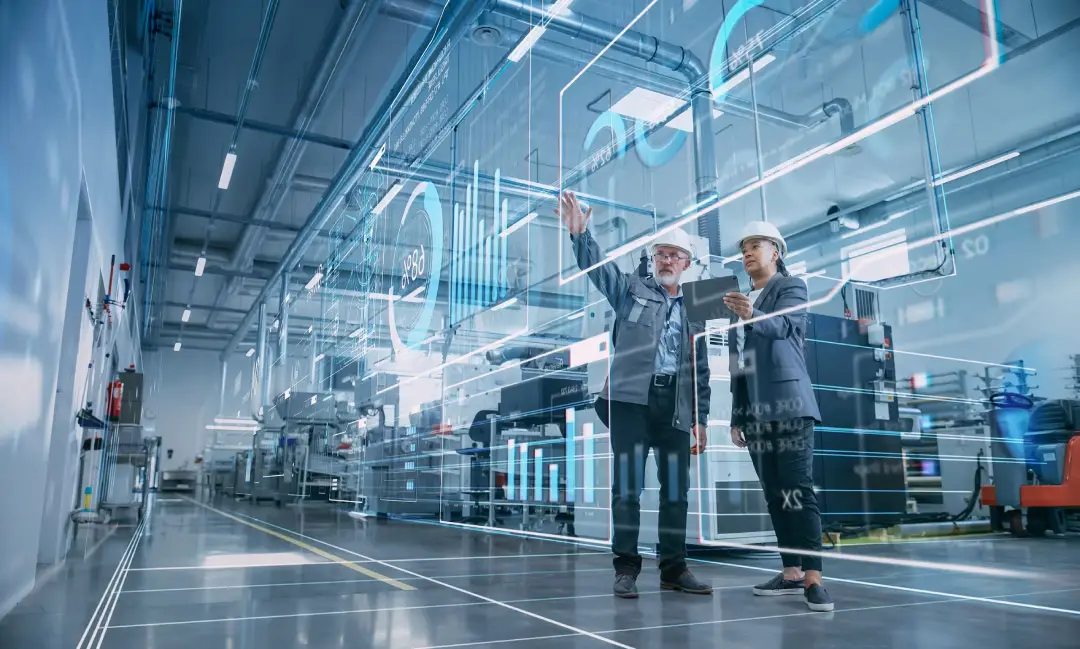
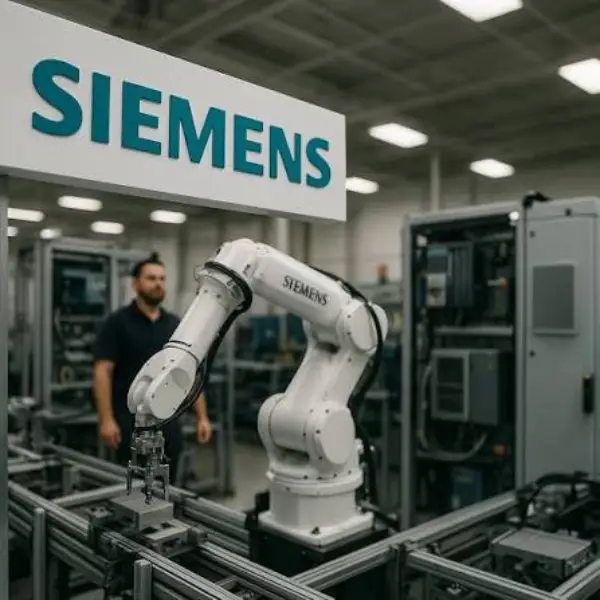
Siemens and NVIDIA have implemented AI-enhanced virtual planning technology at Siemens’ Electronics Factory in Erlangen, Germany. The electrical giant is investing US$560m to develop the facility into the world’s first fully-automated site.
The launch follows Siemens and NVIDIA’s strategic partnership, announced in January 2026. The partners say they aim to develop a blueprint for the global deployment of physical industrial AI.
The Erlangen facility acts as a live-production test site for Siemens and NVIDIA’s developments.
“It answers the one question everyone in manufacturing is asking right now: How do we scale AI on the shop floor?” asks Cedrik Neike, Managing Board member and President of Digital Industries at Siemens, on LinkedIn.

How virtual production planning cuts time-to-market
Siemens and NVIDIA’s latest developments use AI to enhance the production ramp-up process, the companies say.
The applications were tested and implemented into live production at Siemens’ Erlangen facility, targeting preparation and scheduling bottlenecks.
A new simulation-based application addresses the delay between the design and quality checking stages for printed circuit boards. The traditional manual process at Erlangen required engineers to train quality-checking systems on physical prototypes, which Siemens says could take weeks.
Siemens and NVIDIA’s inspection application uses AI-generated prototypes and digital twins to simulate quality testing. The companies report an 85% engineering-effort reduction from this accelerated workflow, while time-to-market improved by 40%.
The companies have also launched an application for scheduling, which tackles a different problem: adjusting production when new orders arrive or operating conditions change. An AI agent generates scenarios and shows how different choices affect defined performance indicators. Proposals are then validated against a digital twin of the production.
“Factories need to handle change as well as they handle repetition,” says Rev Lebaredian, Vice President of Physical AI Simulation at NVIDIA. “AI and simulation make that possible.”

The companies say this agent-based approach can enable cost savings of up to 20%.
Modeling end-to-end automation
The announcement builds on Siemens and NVIDIA’s January 2026 commitment to develop an Industrial AI Operating System, connecting industrial software and automation with AI infrastructure and simulation.
The companies said at the time they aim to develop and deploy end-to-end physical AI: AI systems that can understand, simulate or interact with the physical world, including industrial equipment and manufacturing processes.
NVIDIA's simulation technologies, including its Omniverse model libraries, are supporting the development of factory digital twins for the collaboration.
The partnership aims to combat skilled worker shortages and rising production demands with the implementation of AI solutions, increasing efficiency and accelerating decision-making.
“At Erlangen, Siemens and NVIDIA are putting years of collaboration to work on the factory floor,” Rev says.
Since 2022, the companies have been integrating their digital products to advance the development of industrial technology, beginning with the connection of Siemens Xccelerator and Omniverse.
Erlangen acts as the live testing site for their automated technology: the companies state that the facility already uses 100 AI agents across production, logistics, inspection and maintenance workflows.
The companies have stated goals for their digitally-optimized site to provide global manufacturers with a blueprint as they move towards automating their shop floors.
“Together, we’re building a blueprint for autonomous factories everywhere,” Rev says.
Germany's industrial AI rollout
As German productivity struggles against international competition, industrial AI rollouts present a route for the country to secure manufacturing growth.
July 2026 findings from McKinsey reveal that while 65% of German C-level executives registered interest in transforming their operations, fewer than half were launching AI within their businesses.
Coinciding with the Erlangen milestone, NVIDIA and the German government’s Industry 4.0 Platform have established an industrial AI initiative to advance the country’s deployment of new technology across its factories.
The move follows a broader policy push announced in July to make data-driven and AI-based applications standard across German industry by 2030.
“The historic opportunity for Germany and Europe lies in bringing artificial intelligence out of the data centers and into the factories – and applying it on an industrial scale,” Cedrik says.
For Siemens, the Erlangen project sits within its broader strategy to strengthen its German industrial footprint. In 2023 the company announced a US$1bn investment into its home market, where it employs around 86,000 people.
By advancing Erlangen, Siemens says it hopes to secure Bavaria as a technology epicenter while reinforcing German industry.
“Siemens is banking on innovation in Germany and launching the next stage of digitalization,” says Roland Busch, President and CEO of Siemens.

“We’re laying the foundation for the industrial metaverse in the Nuremberg metropolitan region.”
Key companies
BMW is a German vehicle manufacturer whose manufacturing operations use digital planning technologies. Working with NVIDIA, it builds digital twins of production facilities using Omniverse libraries. These models support collaboration between production planners, factory layout development and testing of robotics and vision applications. BMW also works with Siemens on vehicle aerodynamics simulation using NVIDIA computing technologies and industrial software.
Schaeffler is a German motion technology company supplying automotive and industrial markets. Its technology collaboration with NVIDIA covers digital factory planning, robotics and physical AI. Schaeffler uses the Omniverse ecosystem, including Siemens applications, to create facility digital twins. It also works with Wandelbots and Microsoft Azure Industrial Cloud on integrating NVIDIA’s Mega blueprint for simulating and deploying industrial robotic systems.
Mercedes-Benz is a German automotive manufacturer producing passenger cars and vans. Its manufacturing collaboration with NVIDIA includes using Omniverse to design and optimize factory assembly lines virtually. The company has also created a complete digital replica of an assembly hall at its Kecskemét plant. Mercedes-Benz also uses Siemens engineering software on NVIDIA infrastructure to support vehicle development.
Did you like our blog?
Comments (0)
All comments are reviewed and approved by an admin before appearing publicly.
No comments yet - be the first to share your thoughts.