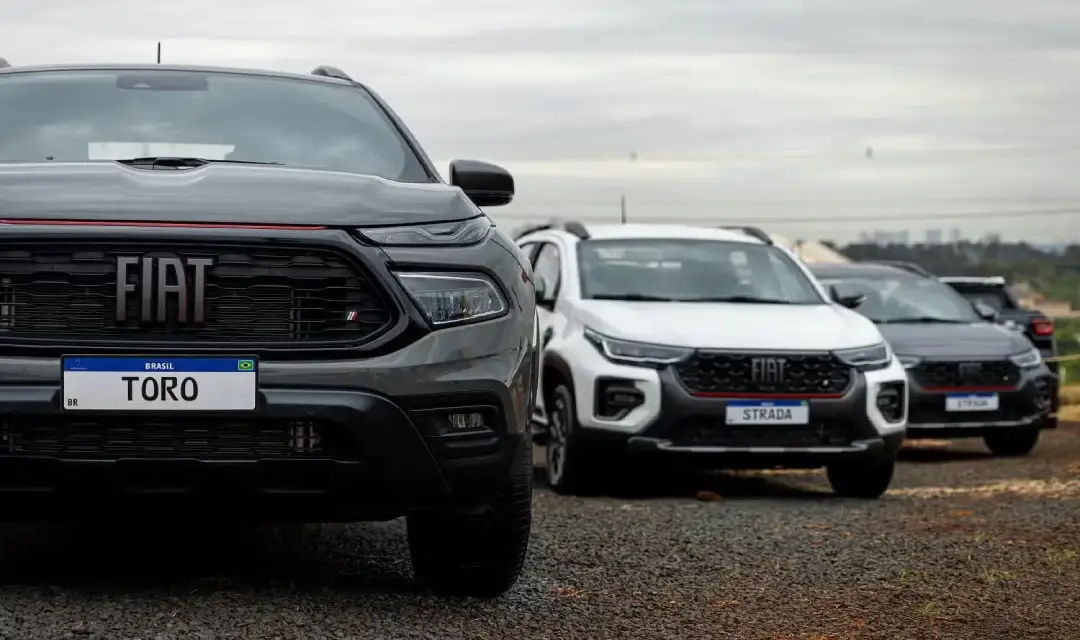

Bulgaria Car Market in 2026 maintains its expansion, growing by 14.4% YTD September to 42,310 units. Skoda (-1.7%) and Dacia (-14.2%) stumbled into the top 3 while Hyundai and Citroen show major gains. Hyundai in particular leads EV/PHEV rankings with growth of 62.1%.
Medium term market trend
Bulgaria’s automotive market has experienced sustained expansion following its earlier downturn, with annual sales increasing significantly over the past several years. The market reached 26,970 units in 2020, before recovering to 26,823 units in 2021 in the separate annual sales series. The subsequent expansion established a stronger growth trajectory, with sales reaching 29,463 units in 2022 and accelerating further in 2023. The market’s longer-term development has been characterized by recovery followed by rapid expansion, although the different historical series show some variation in reported annual volumes.
Growth strengthened considerably between 2021 and 2023, with sales increasing to 38,150 units in 2023, up 29.5% year on year. The acceleration continued in 2024, when sales reached 48,466 units, representing growth of 27.0%. This expansion marked a substantial increase in market scale, taking annual sales close to the 50,000-unit threshold. The rapid growth over these years established a much higher volume base and strengthened the market’s position as a destination for competing automotive brands.
In 2025, sales increased to 51,181 units, up 5.6% year on year. Although growth moderated significantly from the previous two years, the market continued to expand and exceeded 50,000 units for the first time. The result points to a transition from exceptionally rapid expansion towards a more moderate growth phase. Nevertheless, the market maintained positive momentum, with further opportunities for manufacturers to compete for incremental sales.
Electrification has followed a different trajectory from the overall market, moving from a very small base into a progressively more important segment. EV sales increased from 196 units in 2020 to 357 in 2021, then accelerated to 811 in 2022 and 1,851 in 2023. Growth subsequently slowed sharply in 2024, when EV sales reached 2,008 units, before accelerating again to 2,833 units in 2025, representing 41.1% growth. EV penetration consequently increased from 0.7% of total vehicle sales in 2020 to 5.0% in 2025, with the largest structural gains occurring between 2021 and 2023.
2026 outlook
Bulgaria’s automotive market recorded 42,130 sales through September 2026, representing year-on-year growth of 14.4%. This marks an acceleration from the 5.6% growth recorded in full-year 2025 and points to renewed market momentum. Year-to-date sales have already reached 82.3% of the full-year 2025 volume, indicating a strong performance through the first nine months. If the current trajectory continues, the market is positioned to exceed its 2025 total and establish another annual high.
The competitive environment remains mixed, with several manufacturers recording strong gains while others experience declining sales. Opel, DFSK, Dongfeng, Mazda and Geely are among the fastest-growing brands, while Dacia, Chery and Audi face more challenging performances. This divergence suggests that the expanding market is creating opportunities for brands able to strengthen their competitive position, rather than delivering uniform gains across the industry. The remainder of 2026 will be important in determining whether the current acceleration can be sustained and whether manufacturers can convert stronger market demand into lasting sales growth.
Brand performance
- Toyota +3.9%
- Skoda -1.7%
- Dacia -14.2%
- Volkswagen +13.4%
- Renault -8.9%
- Hyundai +31.0%
- Kia -8.9%
- Citroën +34.0%
- BMW +13.1%
- Ford +26.2%
- Mercedes +12.9%
- Peugeot -7.7%
- Opel +48.2%
- DFSK +74.2%
- Dongfeng +563.0%
- Audi -21.6%
- Mazda +60.0%
- Nissan -10.6%
- Geely +239.0%
- Volvo +105.7%
Opel recorded the strongest growth among the established brands in the ranking, increasing by 48.2%, while Hyundai grew by 31.0% and Citroen by 34.0%. Ford also delivered a solid performance at 26.2%, supported by positive results at Volkswagen, BMW and Mercedes. Toyota remained slightly positive at 3.9%, while Skoda declined by just 1.7%, showing relatively stable performance among the leading brands.
The strongest percentage increases came from Dongfeng, up 563.0%, Geely, up 239.0%, and Volvo, up 105.7%. DFSK increased by 74.2%, while Mazda grew by 60.0%. These results demonstrate the breadth of competitive expansion beyond the largest established brands. However, the growth rates alone do not establish the absolute contribution of each manufacturer to total market growth.
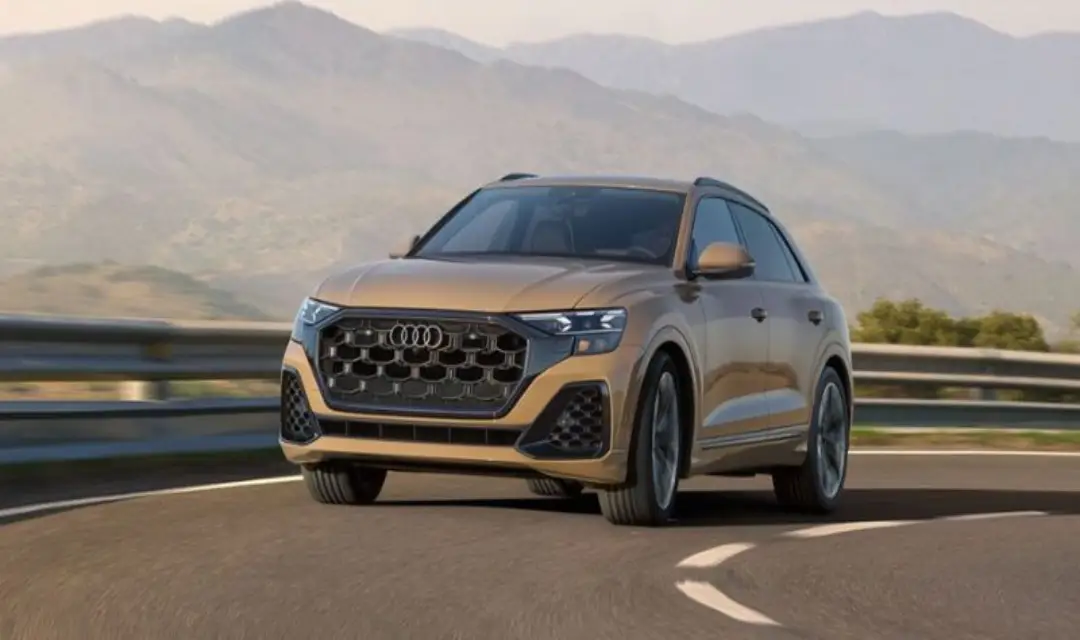
Several manufacturers recorded declines despite the market’s overall expansion. Audi fell 21.6%, Dacia declined by 14.2%, and Nissan decreased by 10.6%. Renault and Kia each fell 8.9%, while Peugeot declined by 7.7%. These results contrast with the strong growth at Opel, Hyundai and Citroen, indicating that manufacturers are capturing the expanding market unevenly.
The competitive picture combines stable performance among some established brands with rapid expansion among several other manufacturers. The divergence between declining brands and faster-growing competitors reinforces the importance of market positioning as Bulgaria’s automotive market continues to grow. Manufacturers delivering consistent positive growth are better placed to strengthen their relative standing, while those experiencing sustained declines face increasing pressure to recover sales momentum.
EV Market Trend and Outlook
BEV/PHEV vehicles recorded growth of 99.1%, reaching a 9.3% share of total industry sales. This represents a significant segment of the Bulgarian automotive market, with electrified vehicles expanding much faster than the overall market’s 5.6% growth in 2025. Their increasing share makes electrification an important factor in brand competition and the changing composition of vehicle sales.
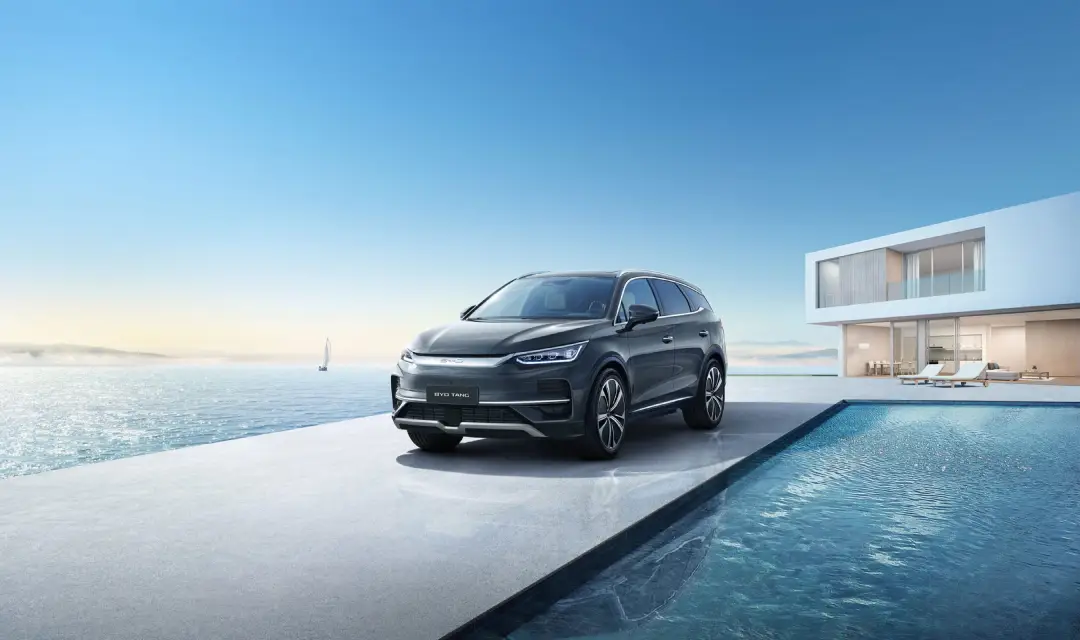
Hyundai led the BEV/PHEV brand ranking with growth of 62.1%, while BYD recorded an exceptional 4,857.1% increase. BMW expanded by 118.5%, Kia by 201.0%, and Tesla by 28.1%. Skoda and Renault also recorded strong increases of 205.6% and 191.5%, respectively, while Mazda and Suzuki grew by 52.2% and 22.6%. These results demonstrate that electrified vehicle growth extends across a diverse range of manufacturers, although the pace varies considerably.
The strongest percentage growth at BYD points to a particularly pronounced change in its reported performance, while the increases at BMW, Kia, Skoda and Renault show that established manufacturers are also expanding within the segment. Tesla's more moderate 28.1% growth contrasts with the much higher rates recorded by several competitors. These differences indicate that the expanding segment is creating opportunities across multiple brands, but the pace of growth is not uniform.
With BEV/PHEV vehicles accounting for 9.3% of total industry sales, electrification has a meaningful position in Bulgaria’s market structure. The segment’s 99.1% growth rate reinforces its commercial importance, particularly as overall automotive sales continue to increase. Manufacturers capable of sustaining growth in electrified vehicles are positioned to strengthen their competitive presence, while differences in brand performance will determine how the benefits of this expansion are distributed.
EV Brand Performance
- Hyundai +62.1%
- BYD +4857.1%
- BMW +118.5%
- Kia +201.0%
- Tesla +28.1%
- Skoda +205.6%
- Renault +191.5%
- Mazda +52.2%
- Suzuki +22.6%
- Leap Motor New
Hyundai leads the ranking with growth of 62.1%, while BYD recorded the most exceptional increase, at 4,857.1%. BMW grew by 118.5% and Kia by 201.0%, demonstrating strong expansion among established manufacturers. Tesla increased by 28.1%, a more moderate result compared with the segment’s fastest-growing brands.
Skoda and Renault also delivered substantial gains of 205.6% and 191.5%, respectively. Mazda increased by 52.2%, while Suzuki grew by 22.6%. The spread of results shows that electrified vehicle growth is benefiting multiple competitors, although the strength of individual performances varies considerably.
Leap Motor is marked New, meaning no comparable prior-period volume is available in the data. Its growth rate therefore cannot be established. Overall, the ranking shows strong expansion across several established brands alongside exceptionally high growth at BYD, reinforcing the increasing importance of electrification within Bulgaria’s automotive market.
Analysis and Outlook
Bulgaria’s automotive market has maintained its expansion, with sales increasing to 51,181 units in 2025, up 5.6%, following the stronger growth recorded in 2023 and 2024. The latest year-to-date performance of 42,130 units through September 2026, up 14.4%, points to renewed acceleration and the potential for another record year. The key consideration is whether this stronger momentum can be sustained through the remainder of 2026.
Competition remains uneven, with Opel, Hyundai, Citroen and Ford recording solid gains, while Dongfeng, Geely and Volvo posted particularly high growth rates. By contrast, Audi, Dacia and Nissan experienced declines. This divergence demonstrates that the expanding market is not benefiting all manufacturers equally, making brand competitiveness and the ability to capture incremental demand increasingly important.
Electrification is another major driver of structural change. BEV/PHEV vehicles recorded 99.1% growth and reached 9.3% of total industry sales, establishing a meaningful position within the market. Strong results at BYD, BMW, Kia, Skoda and Renault contrast with more moderate growth at Tesla, while Hyundai maintains the leading position in the supplied ranking.
The central commercial opportunity lies in combining overall market growth with a stronger position in electrified vehicles. Bulgaria’s expanding automotive market provides opportunities to increase sales, but the variation in brand performance means that market growth alone will not guarantee competitive success. Manufacturers that sustain their momentum while strengthening their position in BEV/PHEV vehicles will be better placed to benefit from the next stage of market development.
Did you like our blog?
Comments (0)
All comments are reviewed and approved by an admin before appearing publicly.
No comments yet - be the first to share your thoughts.